
Career
My skillset covers modelling processes, software engineering, high throughput & low latency systems, people management, and project management
the tl;dr
🧪 I’m a chemical engineer because my mum is a pharmacist, and my dad is an engineer
⚠️ Chemical engineers occasionally kill people, so they make good risk managers
🏦 So I went into financial risk management
👨💻 The tools were bad, so I wrote my own
📔 I learned to code by borrowing the dev team’s university textbooks
🍜 I did that for a while, then I pivoted and built a startup
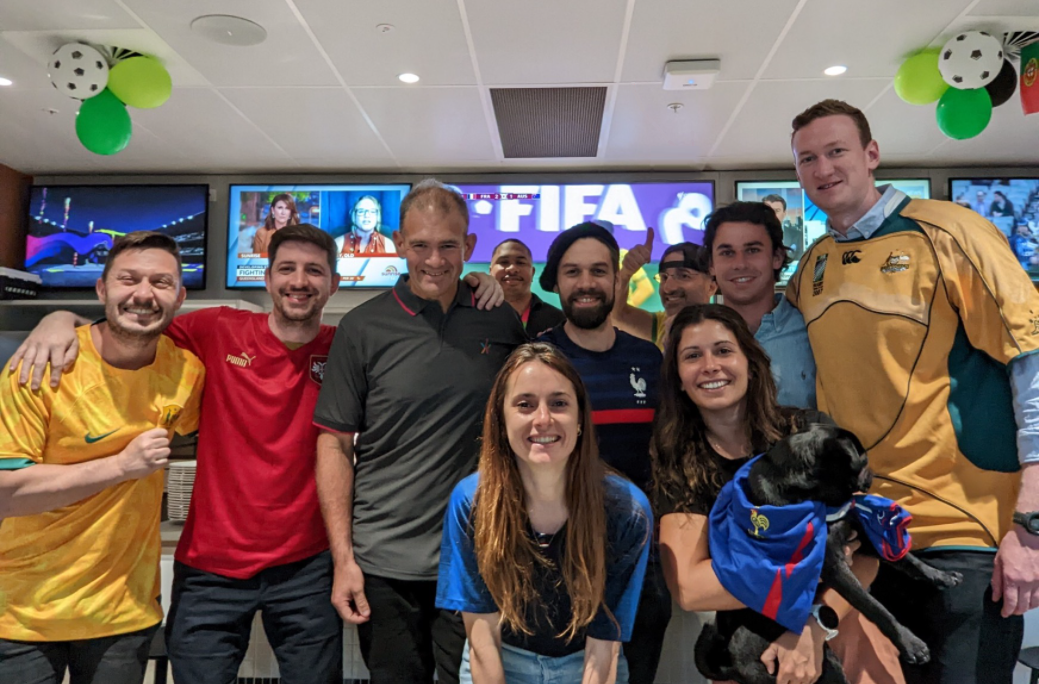
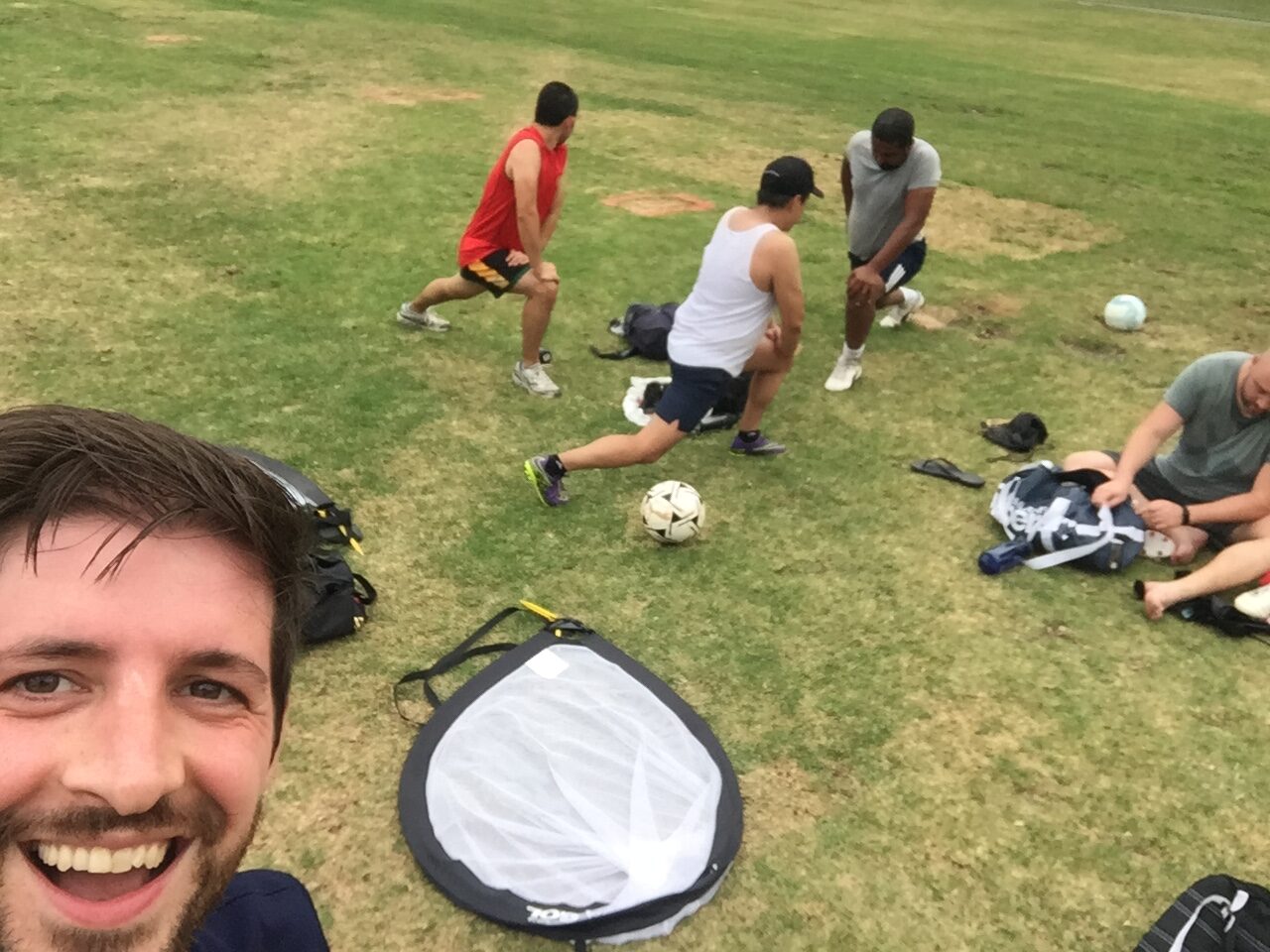
⚽️ I’m a football club secretary, I organise people
👨👩👧👦 These days, I channel my skills into building engineering teams
My Skills
Learning doesn’t stop. Software Engineering is still a nascent field. It is an exciting time to be an engineer, so I am still interested in learning new technologies and programming languages
Experience
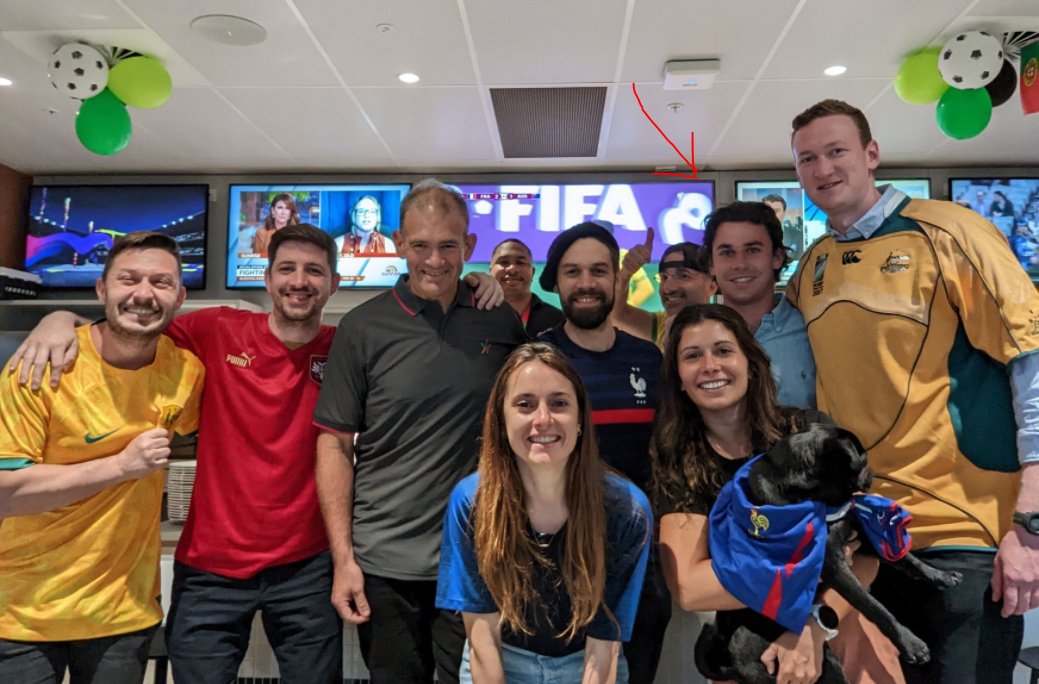

SENIOR ENGINEERING MANAGER
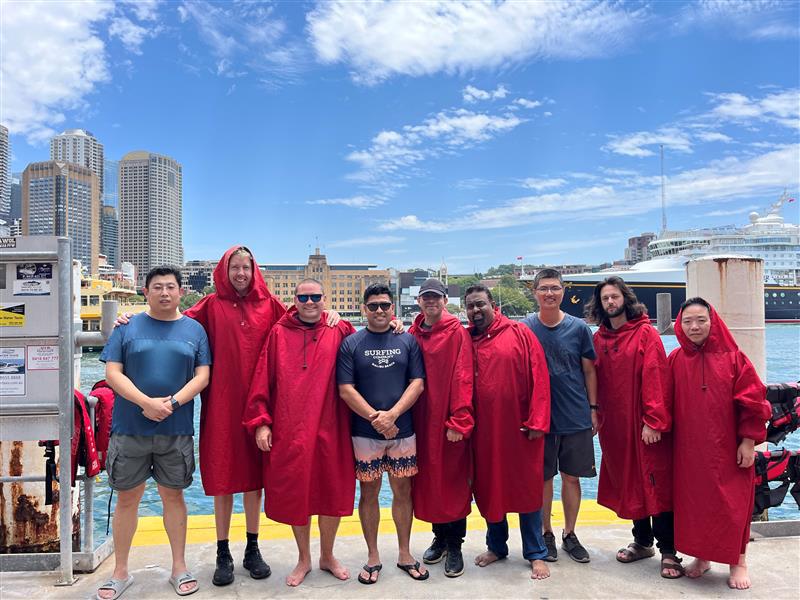
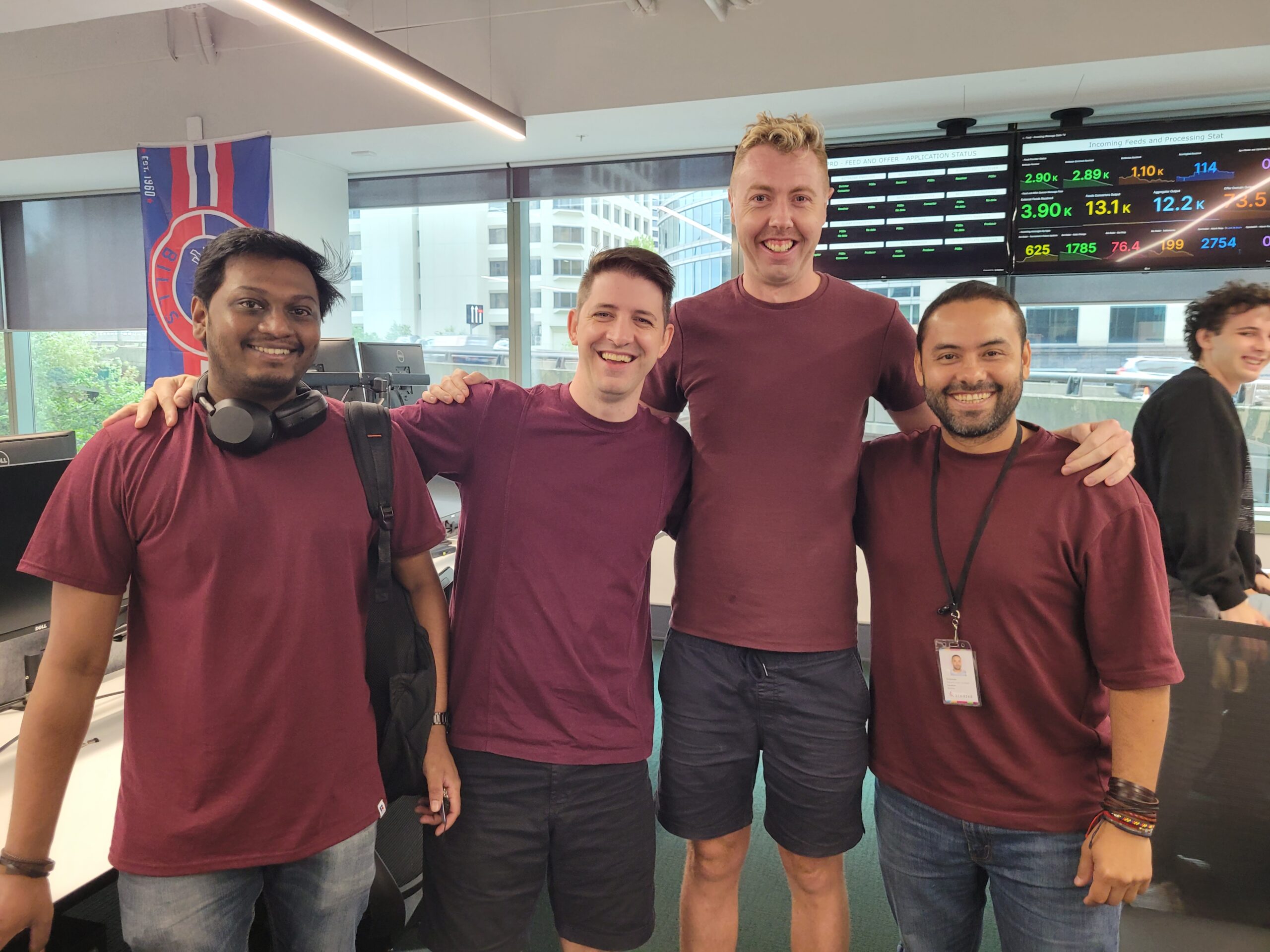
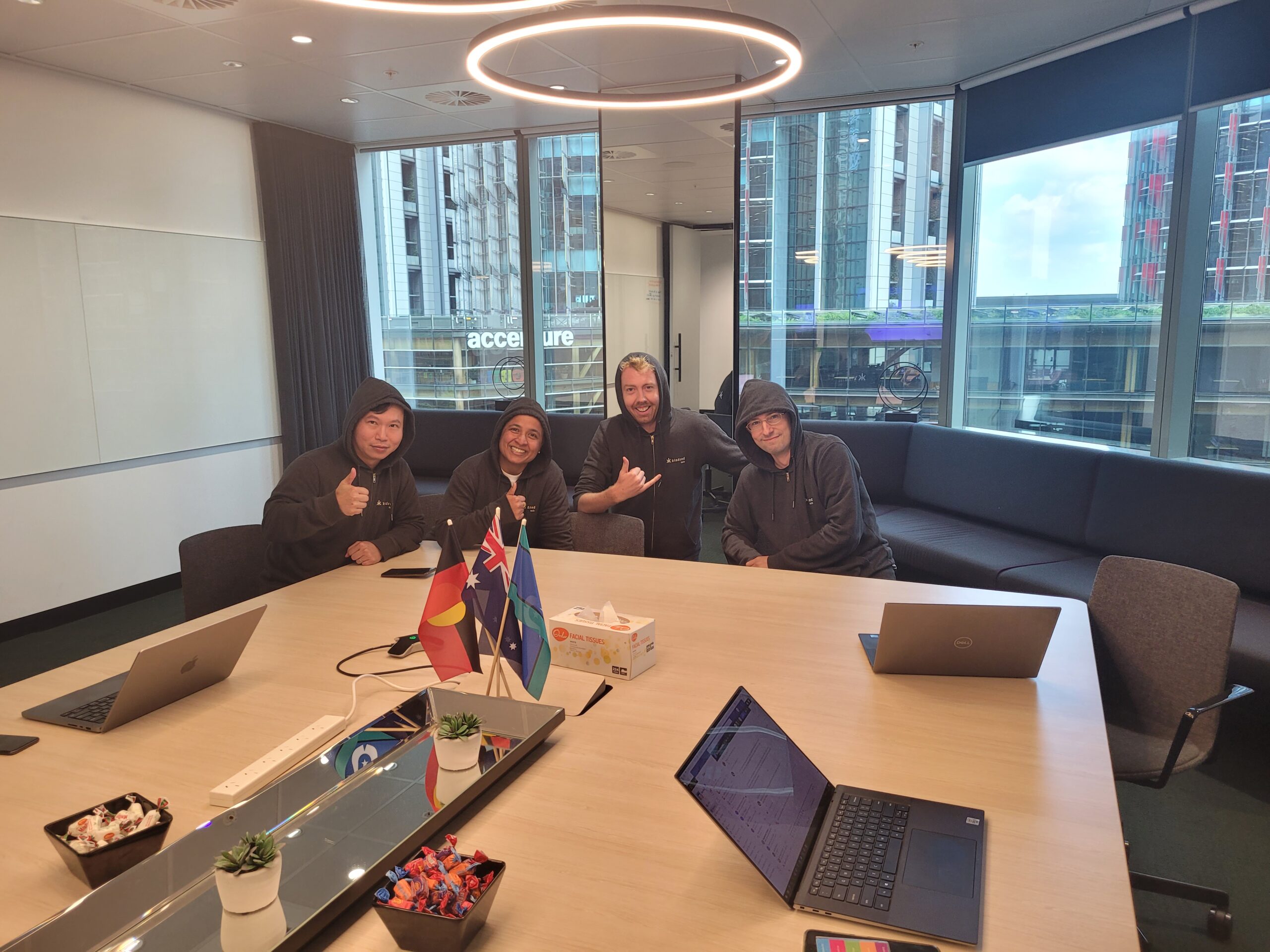
The world's largest sport-betting shops use an off-the-shelf software engine, with limited capabilities. Many companies have tried building their own engine, and failed. Ours went live in February 2024. We built it in three years (including the teams). As the old Google motto used to say, "the most important job at Google is hiring".
PEOPLE
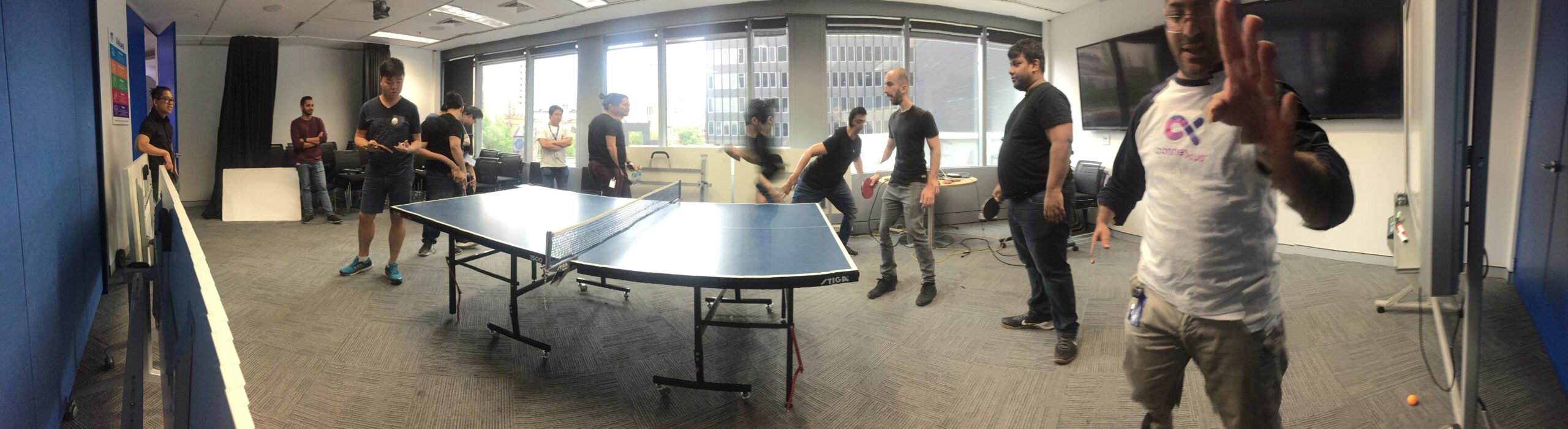
- founded the company's highest-performing team
- hired the entire team, kept low churn over three years
- took the project from inception to go-live
- built software designed to be deployed and supported across the globe
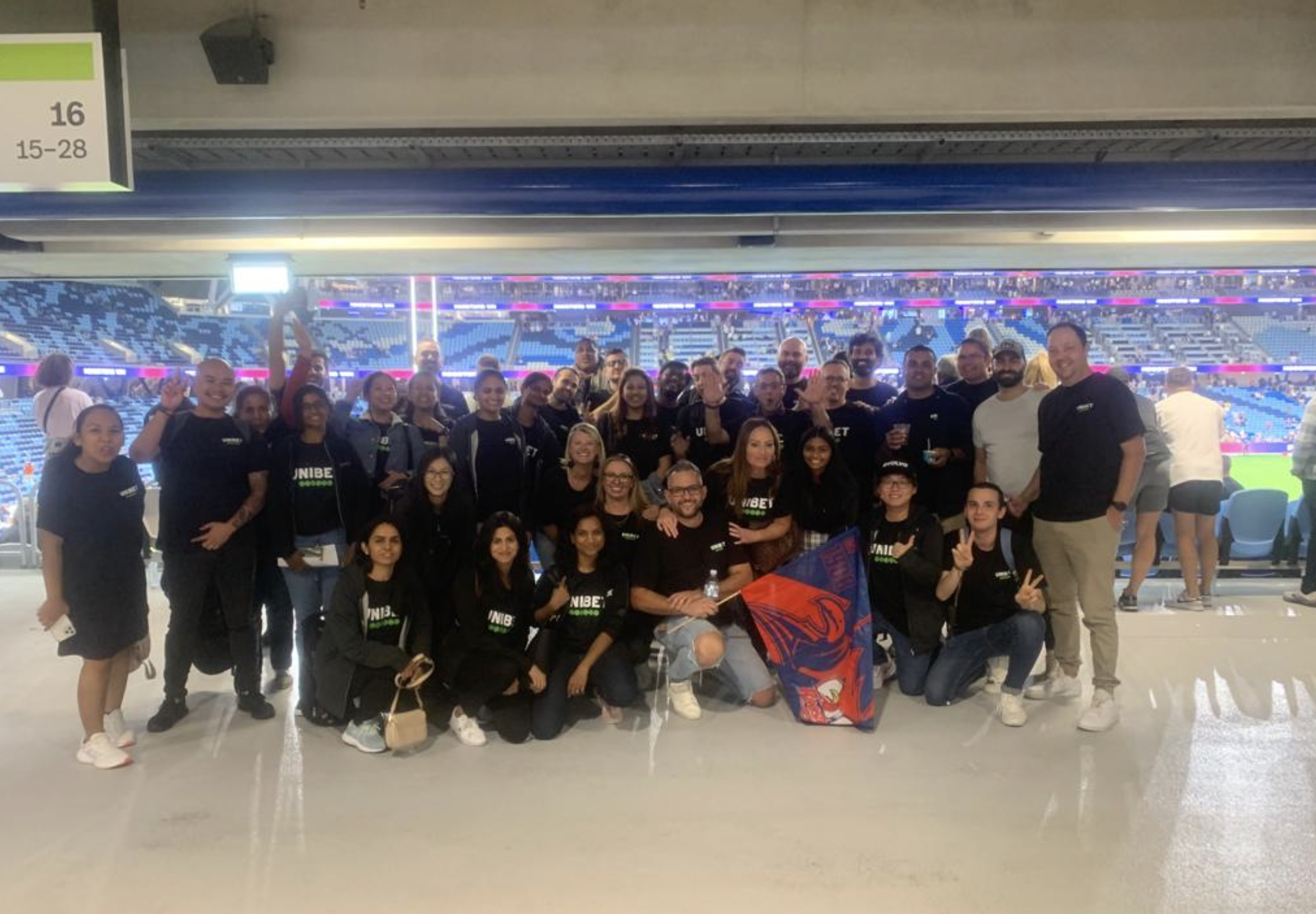
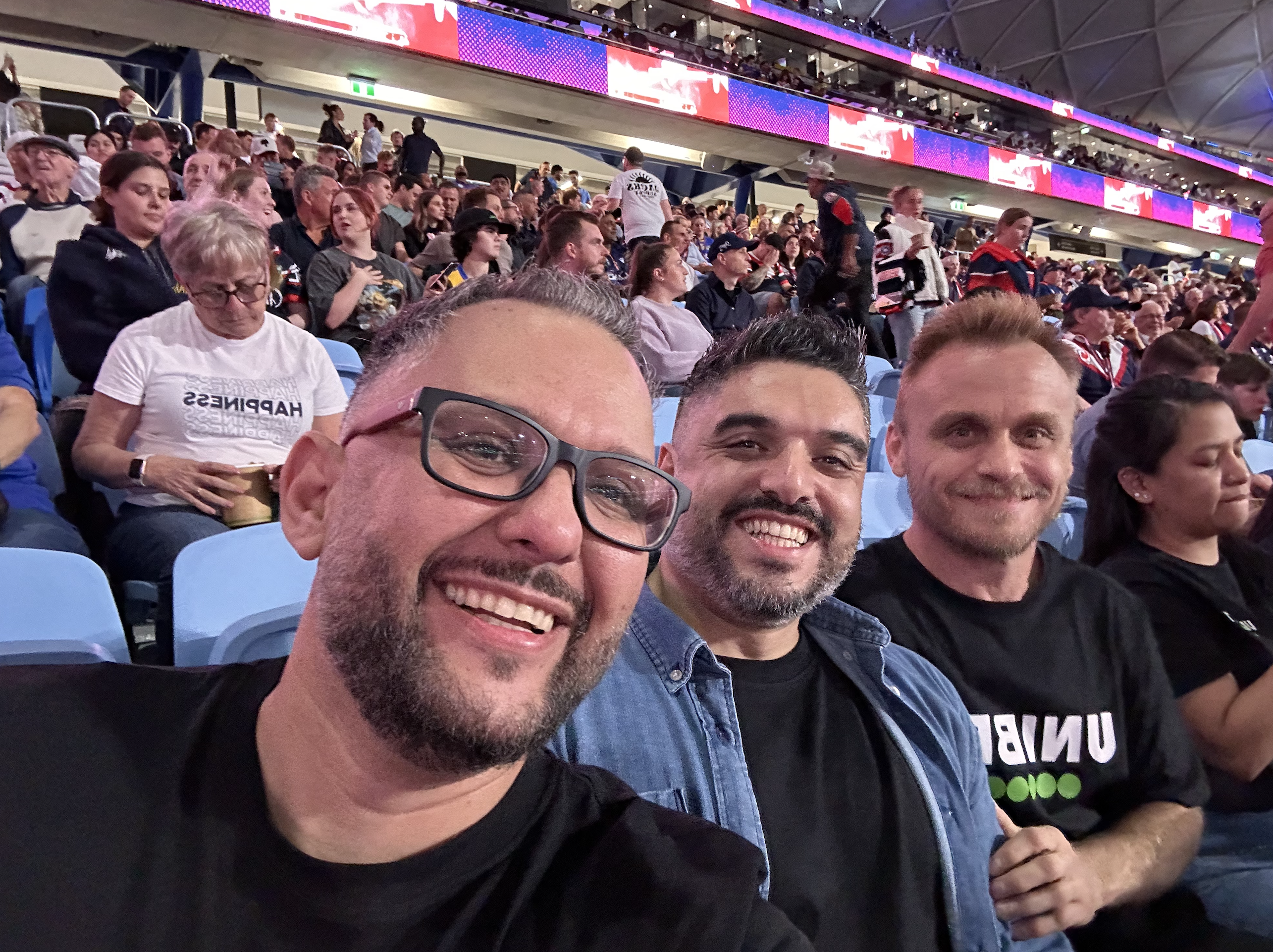
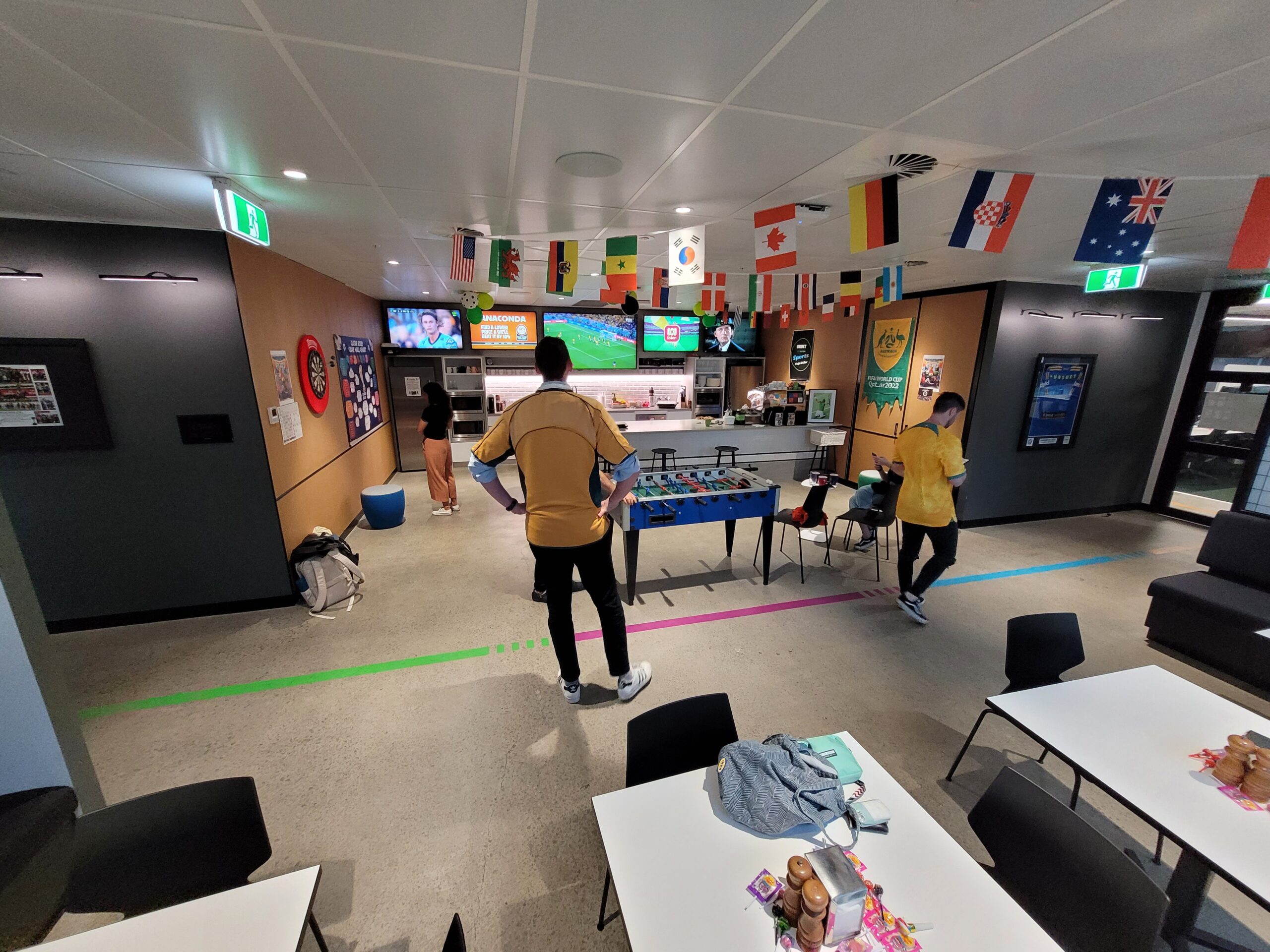
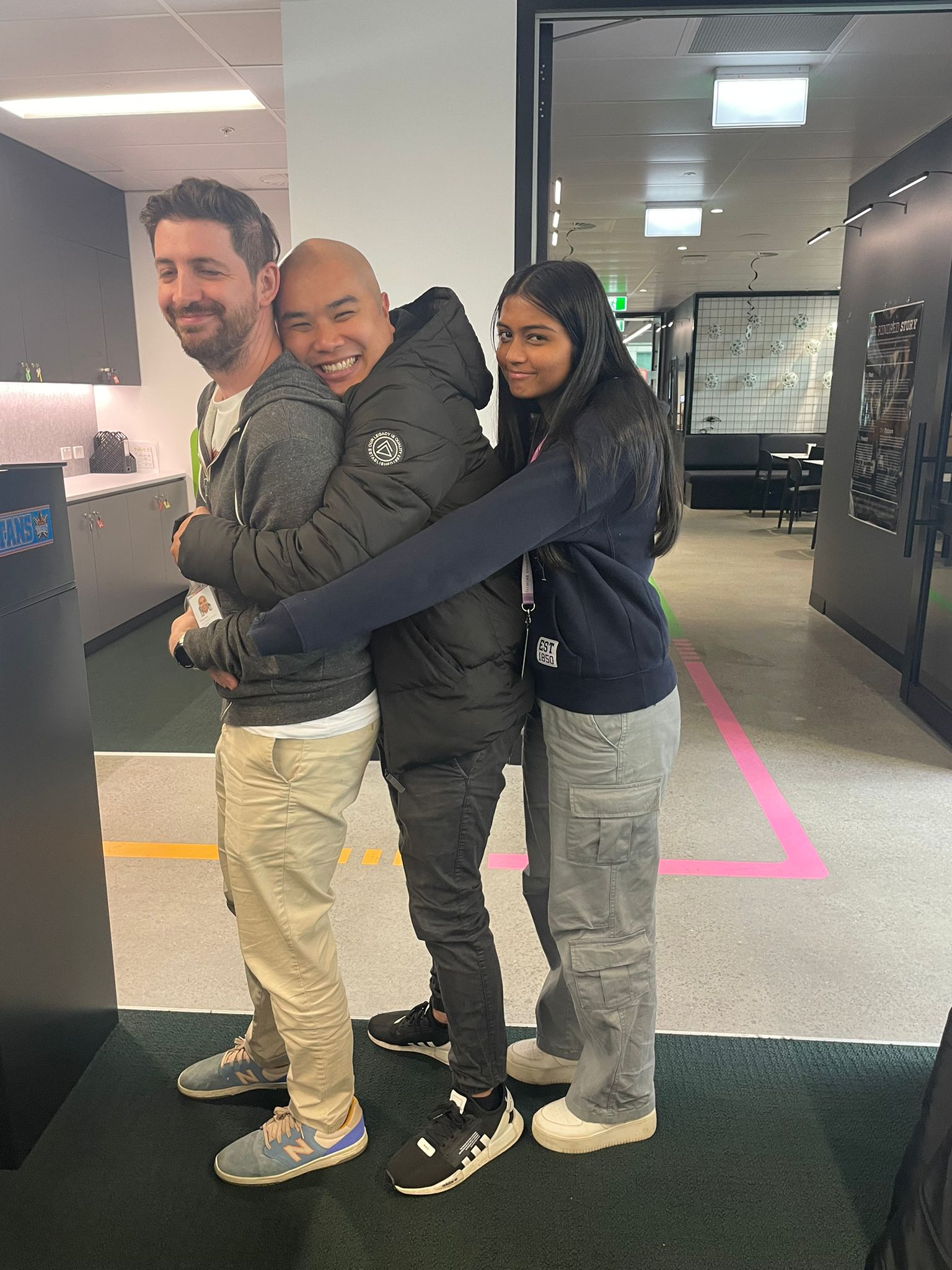
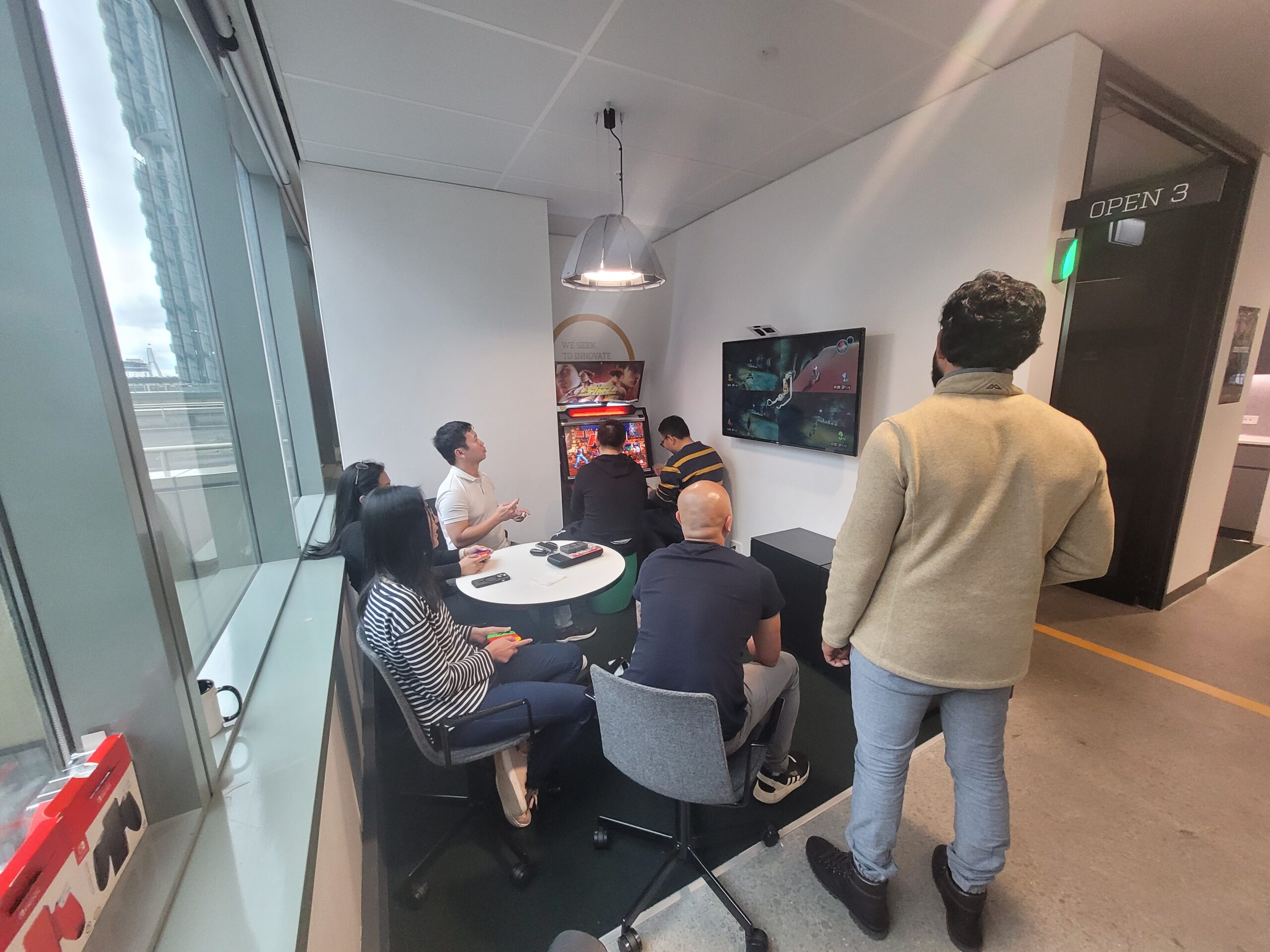
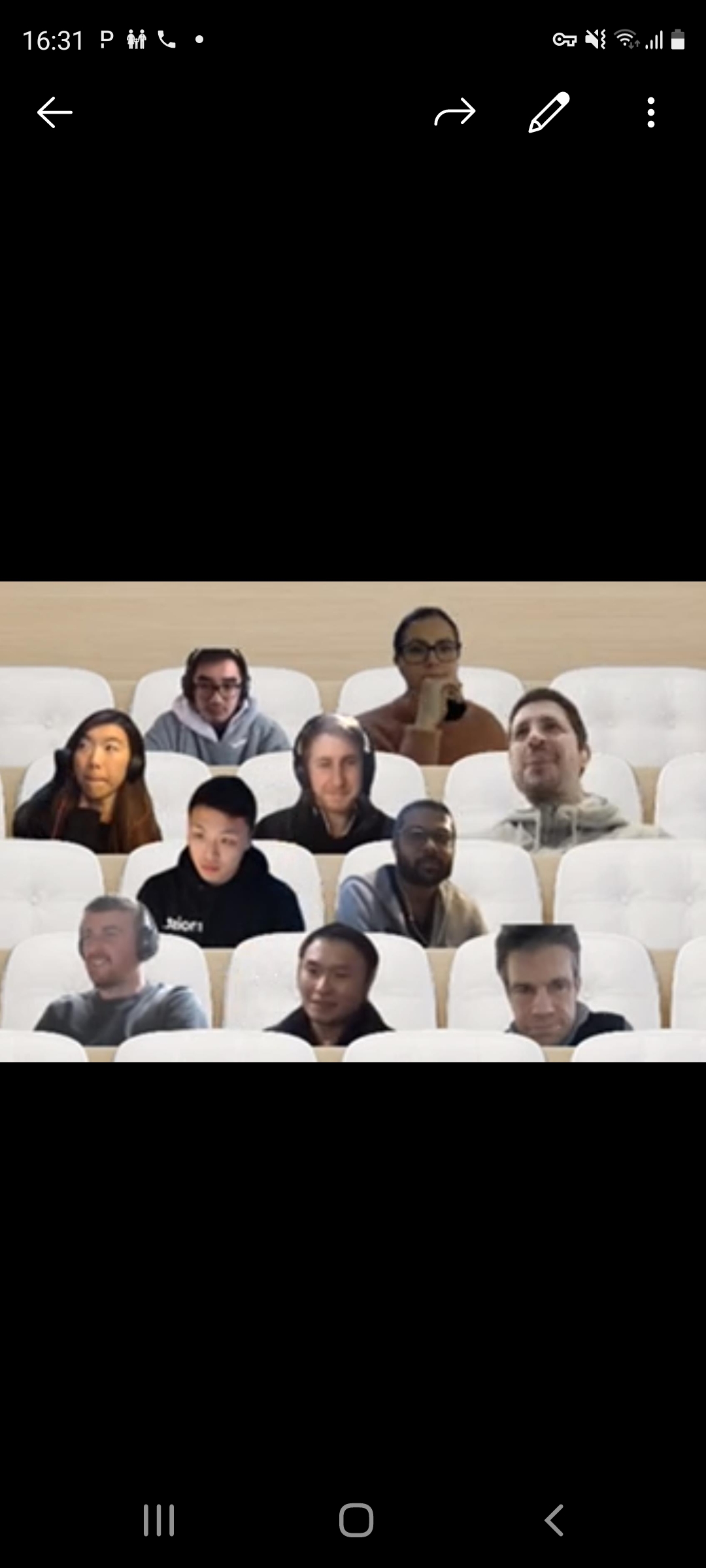
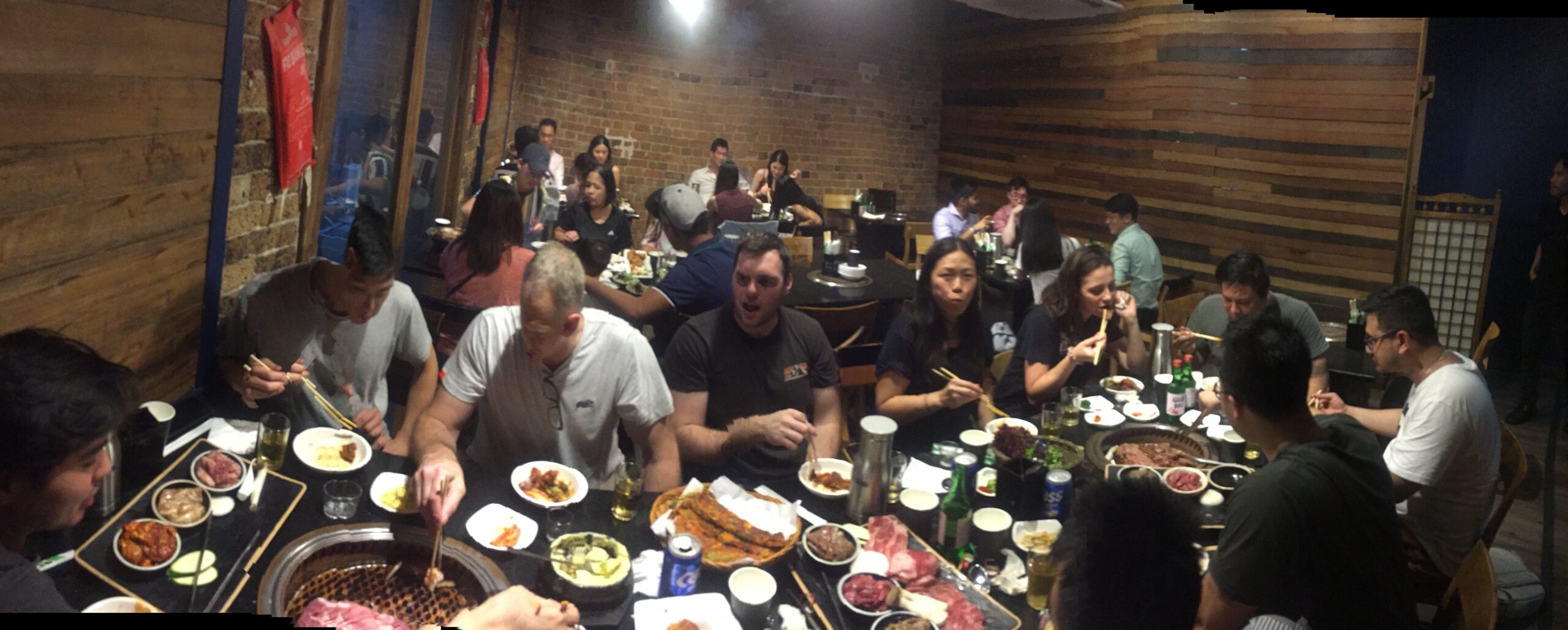
- created a high-collaboration, high-trust, environment; a centre of excellence
- created an atmosphere of sharing and trust across teams => fostering agility
TECH
- typescript, postgres + nosql, kafka, jenkins, kubernetes/helm
- built the core bet placement, risk assessment, and bet settlement journeys
- handled hundreds of bets per second, and settled thousands per second
- handled customers' money & personally identifiable information
- set the bar for software quality across the entire company, by example:
- automated unit/integration/component/load/smoke tests
- fast, automated, ephemeral, E2E tests
- automated semantic versioning & conventional commits
- rapid, powerful, cicd pipelines
- historical tracking of software performance
LEAD ENGINEER
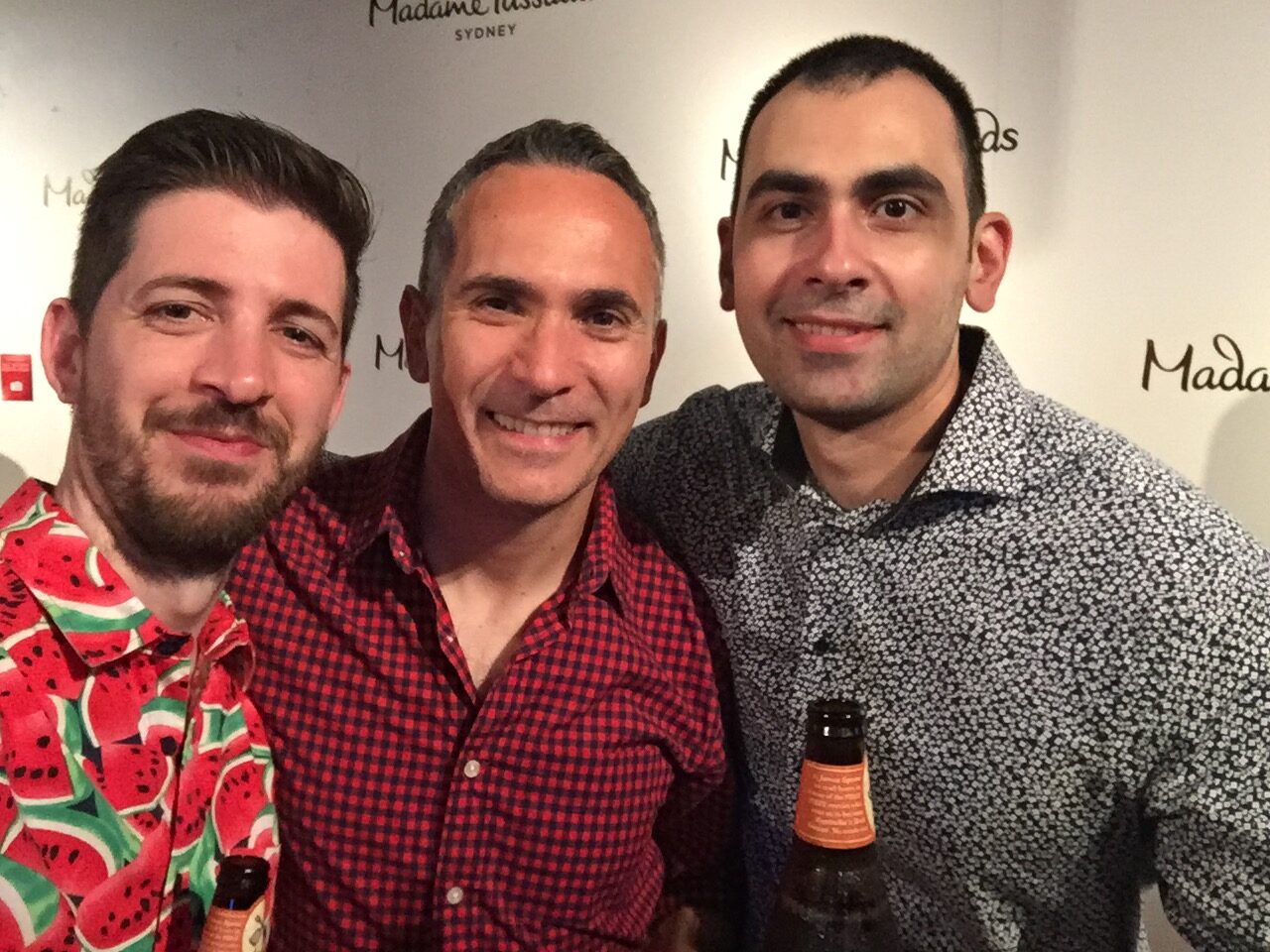
Emil Koutanov helped take our startup to the next level. I wanted to work with him again, and this was the opportunity. Symbio had an excellent architect (Emil) and an excellent head of engineering (Dion Beetson), and I wanted to learn from them. I took on an existing team that needed some guidance. Over two years, the team built a greenfield, full-stack, B2B CMS, from scratch with little churn. Thanks to their strong leadership, excellent technology choices were made early on. As such, the stack was great.
Telco was cool, but I wanted to be closer to the money (like fintech), so I left.
TECH
- React SPA, Go 1.14, postgres + nosql, kafka, aws/terraform


CTO
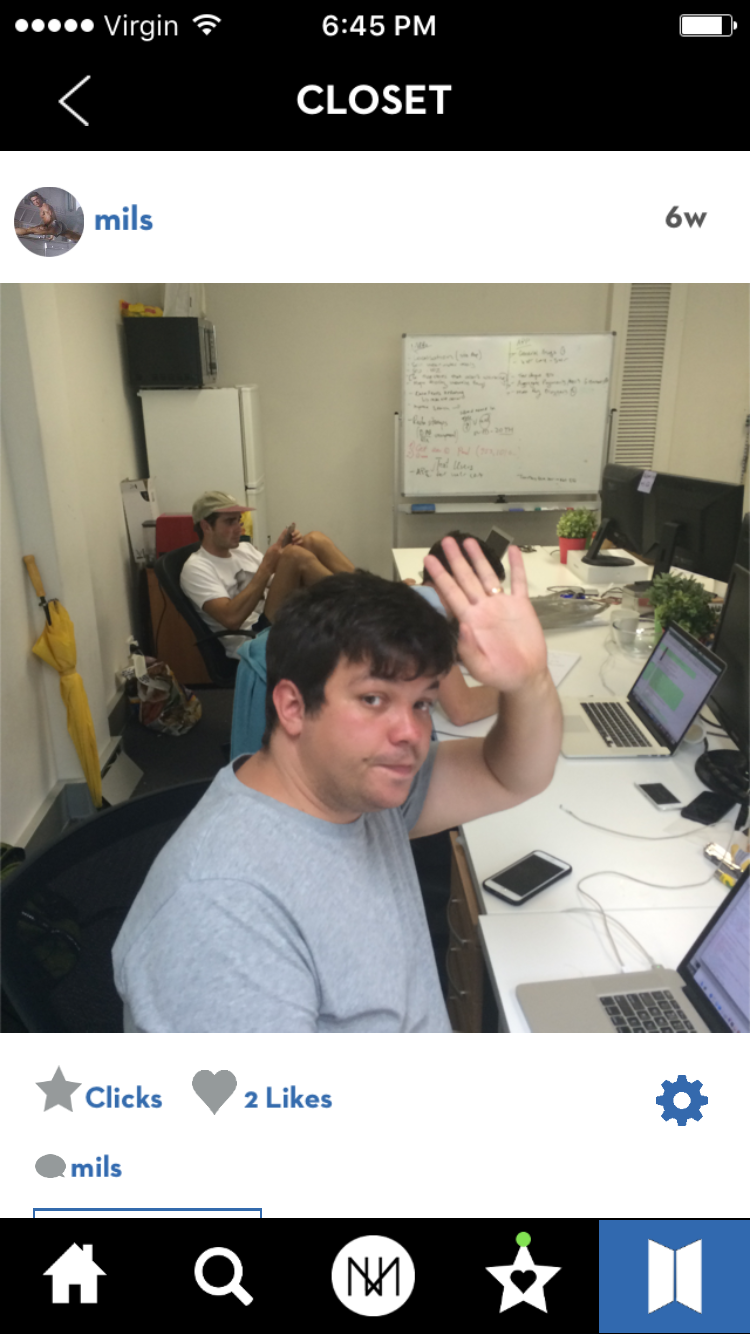
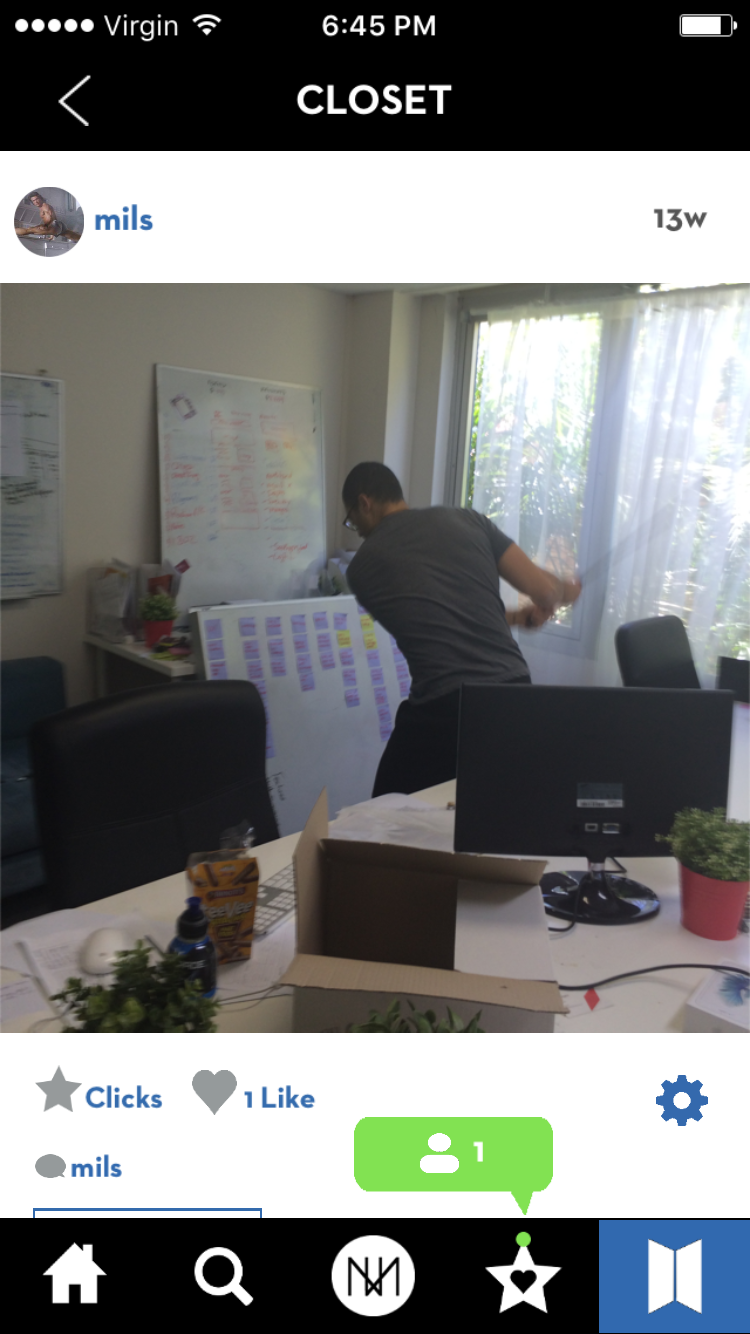
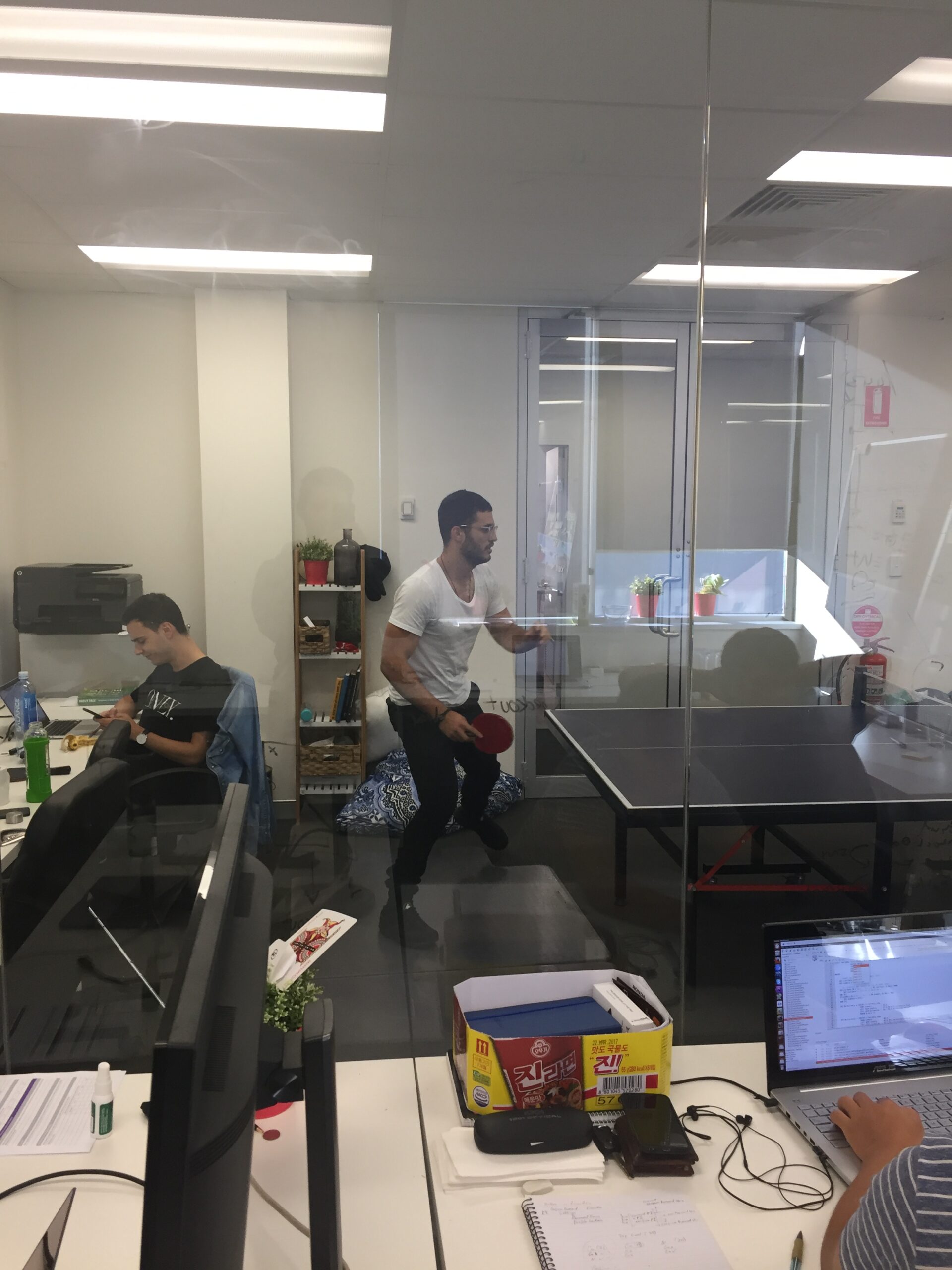
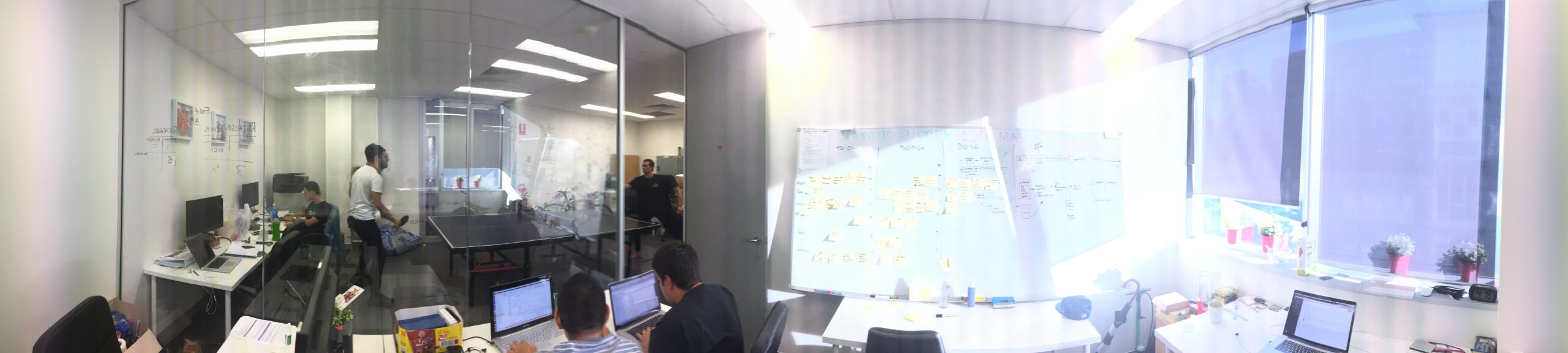
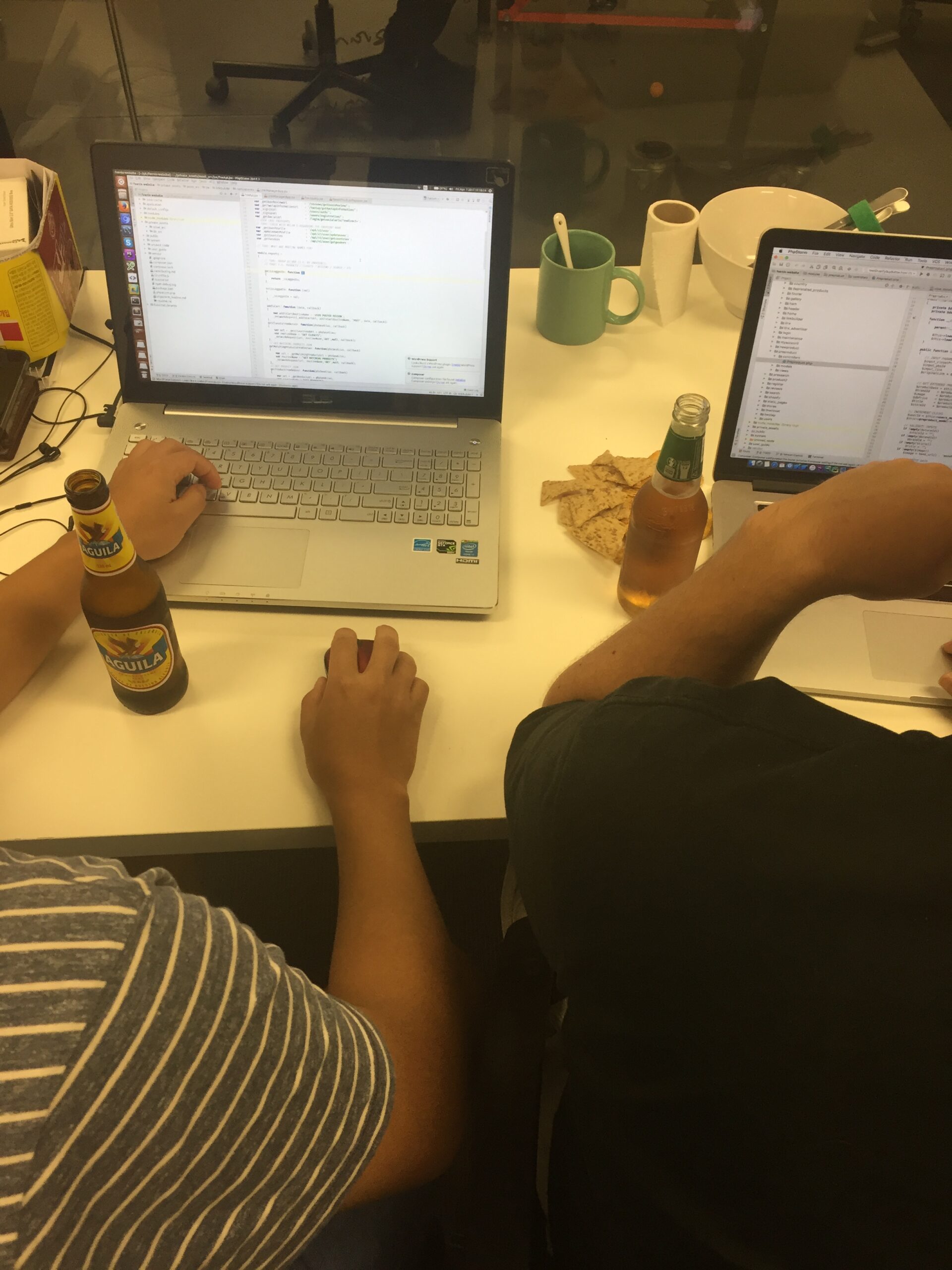
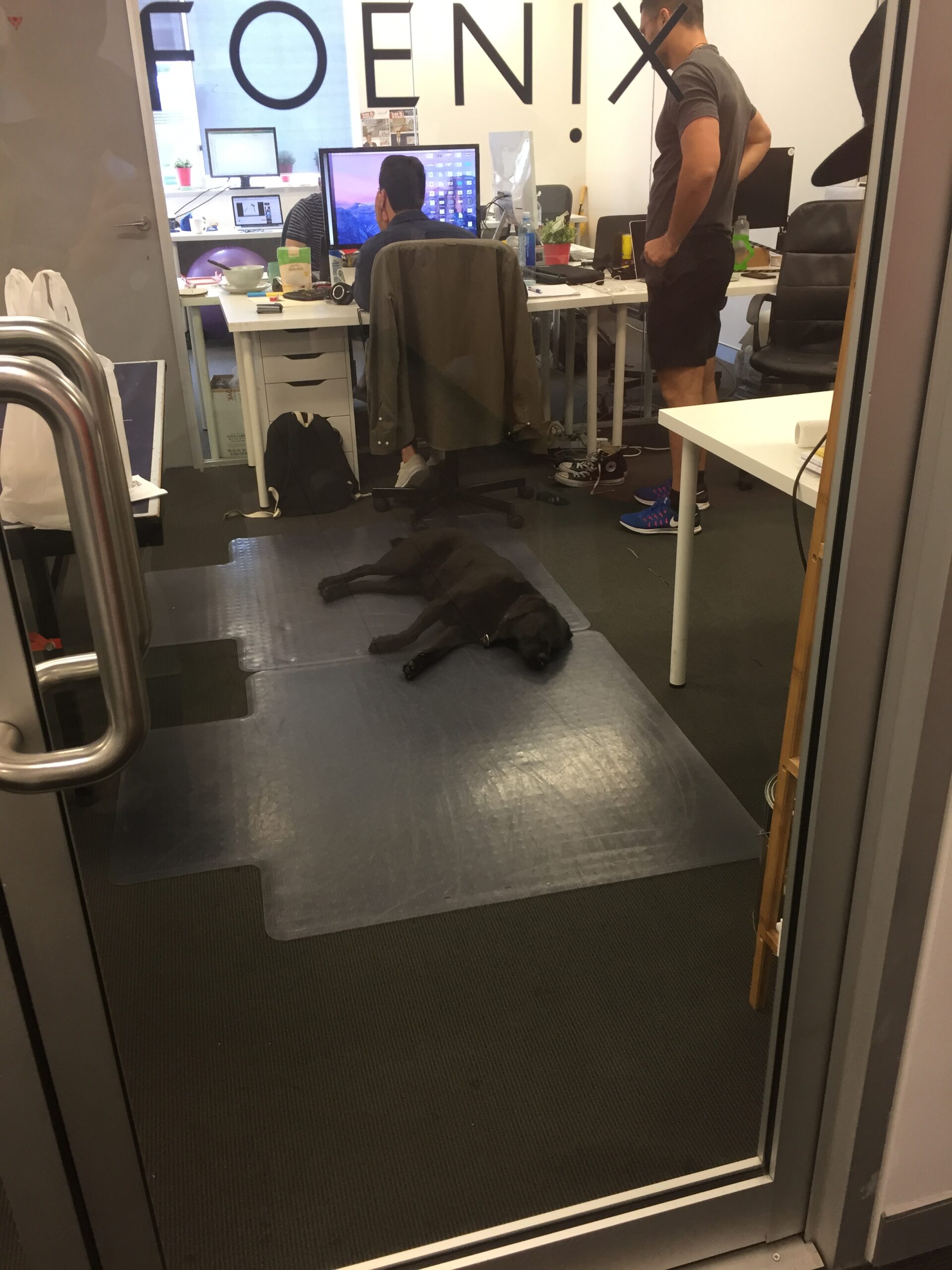
I came back to Sydney, and decided to change pace. I joined a startup in it's nascent stage. We started with a marketplace website (foenix.co) focusing on boutique products. We made an iOS social app, similar to Instagram, where users could buy boutique products.
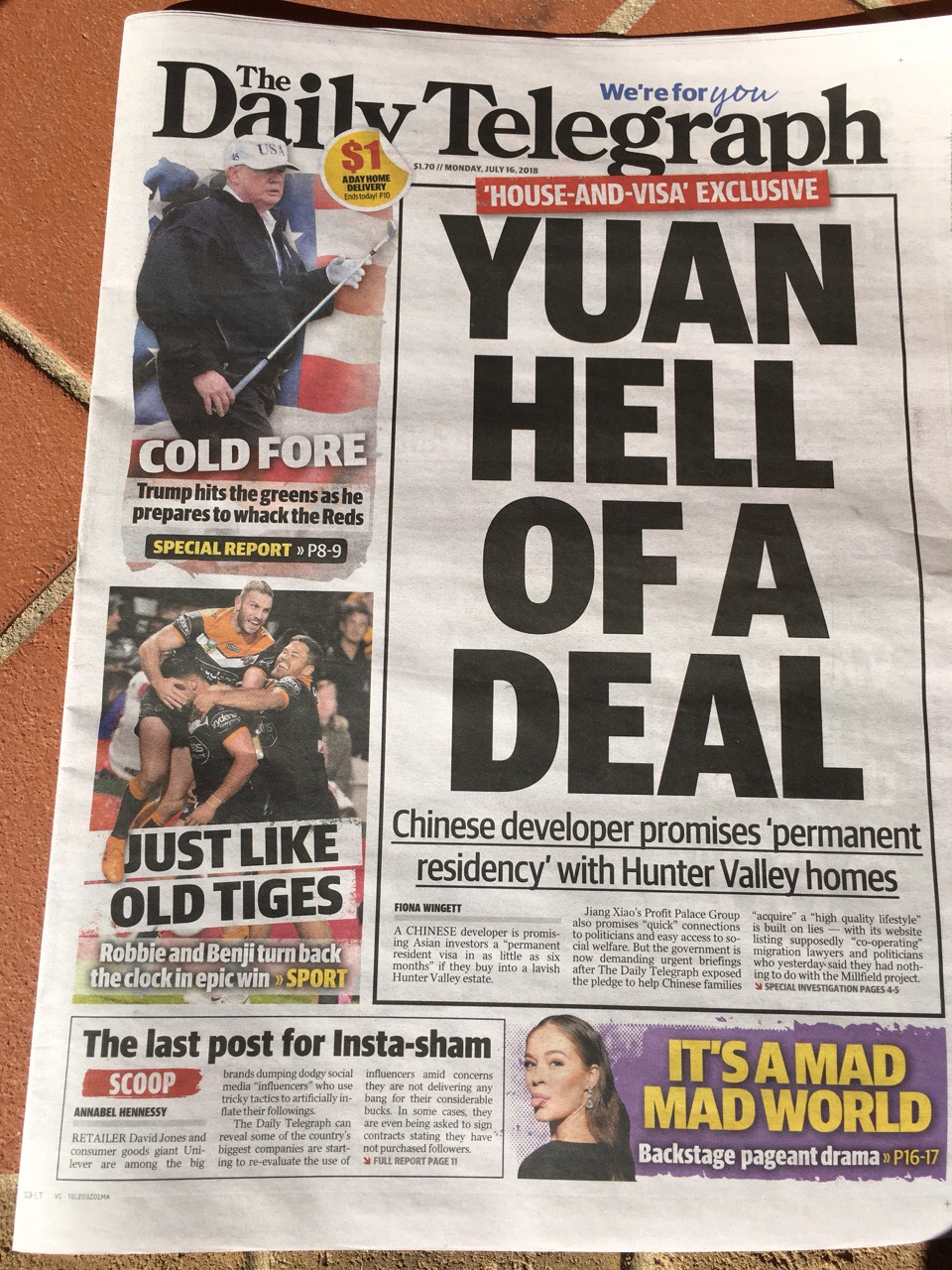
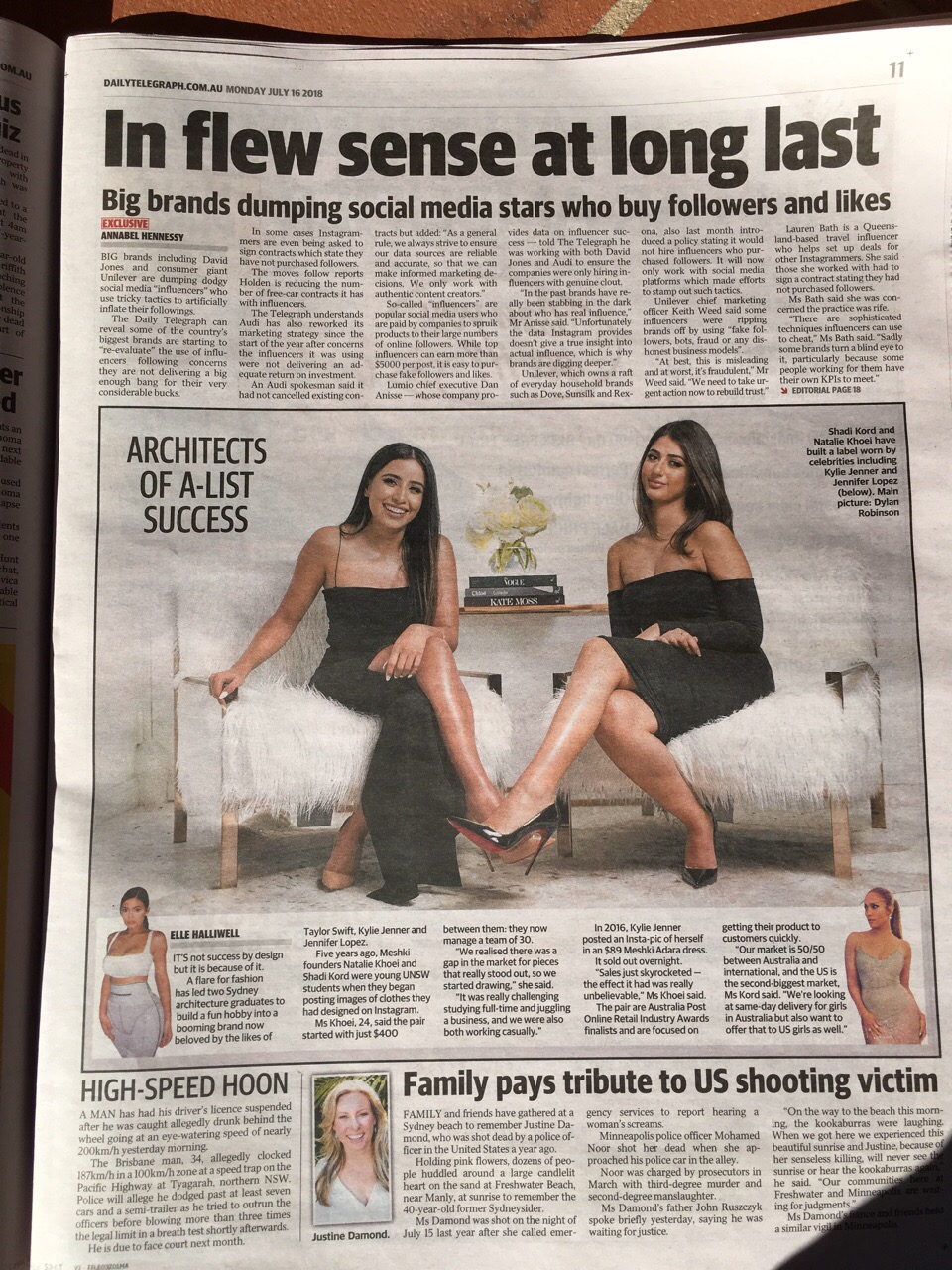
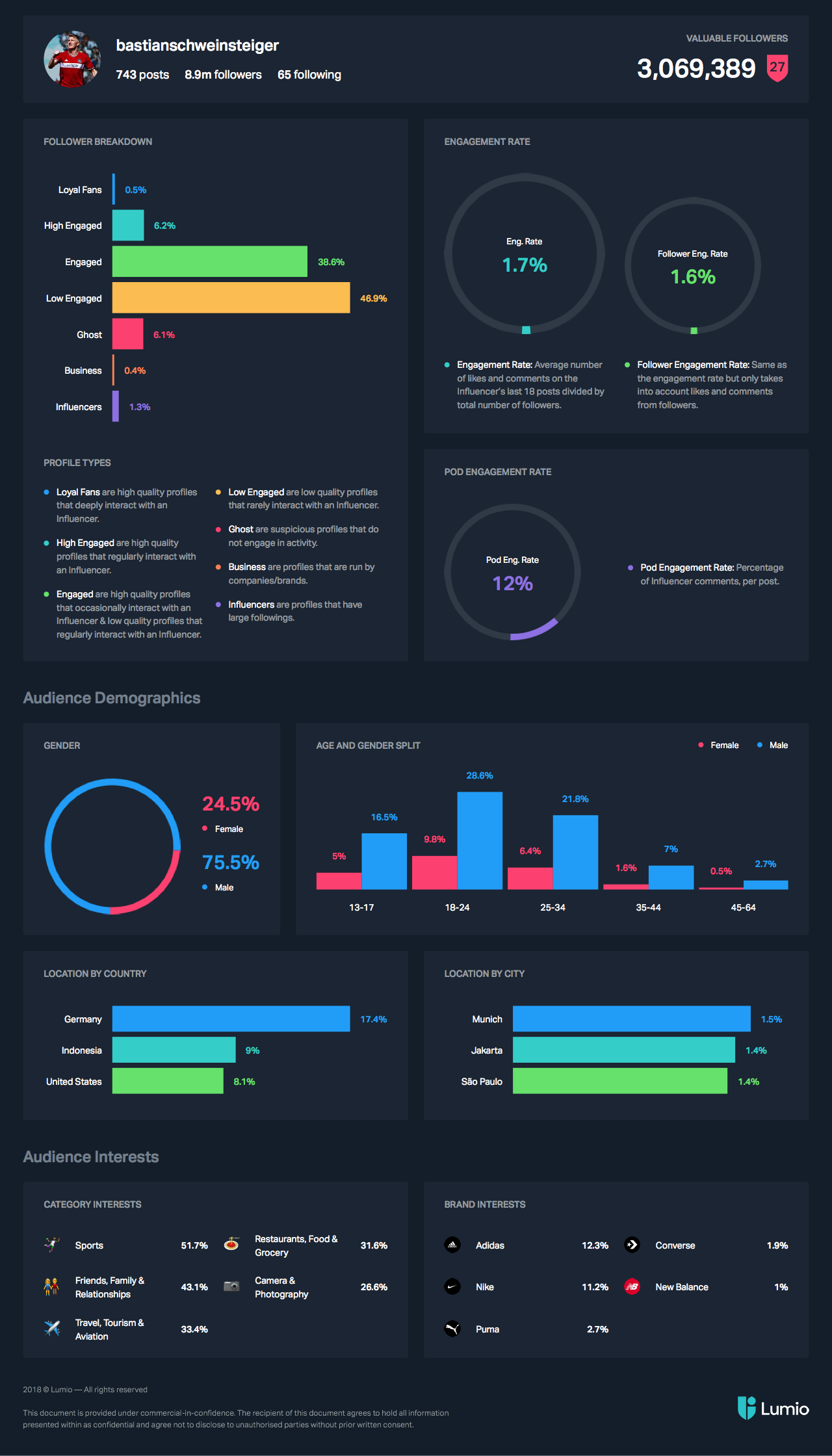
The problem was that advertising our products on Facebook was super expensive (pay-per-click). It turns out it's far cheaper to work directly with influencers. But Facebook wants you to use their advertising platform, so they share very little info. So which influencer to choose? And so Lumio was born. We wrote a massive analytical engine, capable of analysing the demographics of entire influencer audiences. Businesses could then decide which influencers best fit their needs. A 2.4TB MongoDB cluster, PHP7 and Facebook's JIT compiler (HHVM).
In the end, three years later, we ran out of cash. Cambridge Analytica changed how the world worked with APIs, and our business model was no longer viable. InfluencerDB bought us at a discount.
TECH
- React SPA, MongoDB (on AWS), PHP7, HHVM, RabbitMQ, SpaCy
- Hundreds of micro AWS instances managed using Ansible
SOFTWARE DEVELOPER
I moved to the UK with the gf. Again, I worked as a software developer on the trading floor of VTB, Russia's biggest investment bank. I developed automated trading software for equity market making across European exchanges. The desk contributed £5m p.a. to the bank’s bottom line.
We travelled some more and eventually moved back to Australia.
TECH
- Excel, VBA, C#,GL Trade / Sungard
2009-2012
Liquid Capital
Sydney, Australia
TACTICAL DEVELOPER
I was the first developer to work on Liquid's trading floor, and the first to work with C#. My role was to sit alongside traders and build trading software. I acted as a mix of engineer, trader, PO, and QA. My work increased the profitability of the ASX Equities Desk by 25% ($3m AUD p.a.), by developing trade execution and risk monitoring tools. The majority of the revenue came from a tool I built, that used traders' volatility-adjusted option prices to calculate ASX strategy prices, look for edge, and trigger execution.
After four years at Liquid I wanted to travel, so I left. To this day, I am grateful for this formative role. I worked with amazing people like Mladen Mitic, Mike Grasso, Damian Smith, James Swift, David Dight, and many brilliant engineers to which I am indebted.
TECH
- C#, WinForms, ADO.NET, LINQ, DockPanel Suite, SQLite, Perforce
2007-2009
Liquid Capital
Sydney, Australia
RISK MANAGER
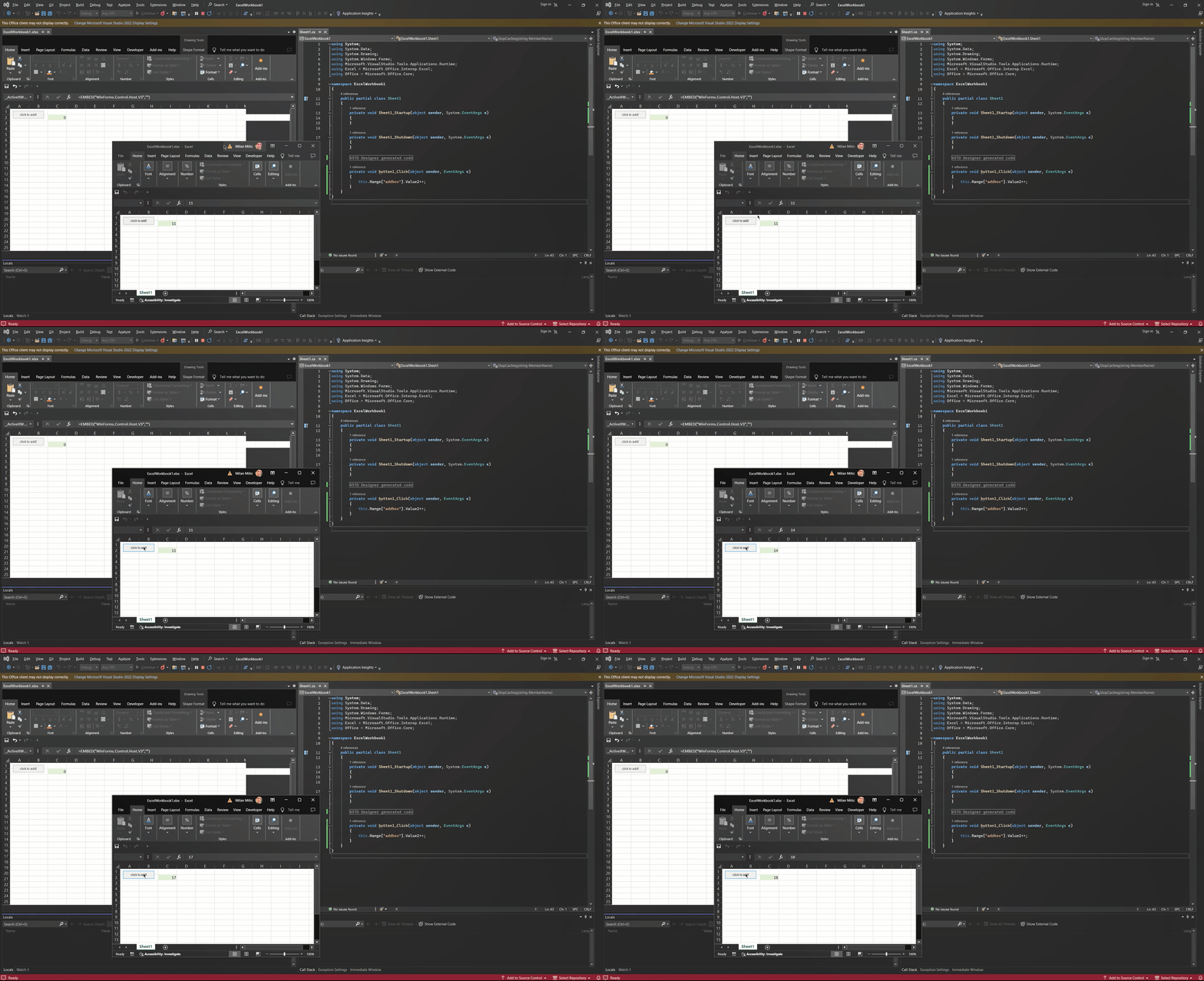
After graduating from university, I joined Liquid Capital as a risk manager. I didn't like the Excel/VBA based risk management software built by Liquid (and used globally), so I decided to write my own. I asked the dev team to borrow their university textbooks, and I learned to code C/C++/C#. Six months later, I had rebuilt the software. It was faster, safer, and more collaborative.
The CTO (Giles Forster) was impressed, so he offered me a role as a software developer, and I took it with both hands.
TECH
- Excel, VBA, C#, VSTO (check the gif on the right)
2003-2008
University of Sydney
Sydney, Australia
Bachelor of Engineering (chemical)
My family comprises medical professionals and engineers. My mum has worked as a pharmacist at Concord Hospital for over twenty years. So a chemical engineering degree was a surprise to no one. It was very rewarding to "learn how to learn". It gave me the confidence to read whole textbooks, which was essential to my engineering career. Engineering degrees, not being based on first-principles (unlike science) inevitably require modelling, which has also been very valuable in my career.
Most importantly, I did some coding in Matlab as part of my degree, which gave me my first taste of programming. I loved it.